


The August Cents of Community recipient is Women’s Resource Center of Northern Michigan.
“Women’s Resource Center of Northern Michigan is committed to equality, justice, and the well-being of women. To that end we will engage and encourage our community to work with us towards those goals.”
We are proud to partner with WRCNM and share the story of the work that they do in Northern Michigan.
We had the opportunity to sit down with Executive Director, Gail Closs, Development Director, Andrea Coronado, and Marketing and Communications Director, Claire Houser in their new location to learn about the work the WRCNM is doing to support survivors.
How They Started
In 1977, a group of determined women recognized a critical need: safe support and services for women leaving abuse. They passed a hat, each giving what they could. With $165 and a shared commitment to making a difference, they got to work, establishing what would become Women’s Resource Center of Northern Michigan.
Gail shared that they needed ways to support survivors of domestic abuse. In early days, this could mean bringing women and children into their homes. Today, they have a 25-bed safe house with 24/7 access. A beautiful space where families can go to slow down and discover what their next steps will be. Here, they don’t have to figure it out alone, either. There is an advocate available at the home, ready to assist and facilitate individual or family needs.
Services Expanded
Sexual assault services started in the early 1980’s. Today they have an on-call rotation system. When someone presents at the hospital, medical professionals call for an advocate to assist. Gail shared, “Doctors have their roles, nurses have their roles, and our advocate is there to support the survivor, talk them through everything that might be happening to them, and provide some resources that they need.”
Naturally, this led to WRCNM establishing counseling services. Currently, counselors are available for primary and secondary survivors of domestic violence and sexual assault. A secondary survivor is someone who is affected by another person’s experience with abuse. This can include a child, parent, friend, or partner. They may need to support too, because abuse can impact the whole family. Counseling services are also available at no cost.
The addition of educational and employment services ensure that survivors have the opportunity to thrive. WRCNM helps with things like education, practice interviewing, and providing professional clothing.
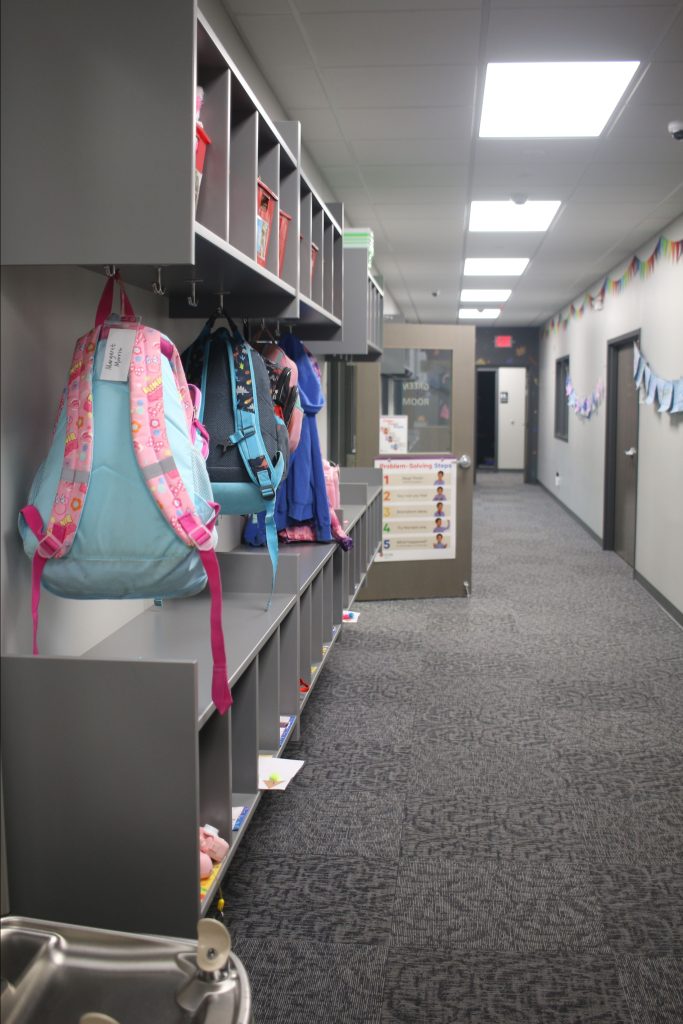
WRCNM later expanded to meet another critical community need by establishing the Children’s Learning Center, which offers both the Great Start Readiness Program (GSRP) and tuition-based early childhood education for children ages 2 1/2 to 5, as well as before and after school care, for school-age siblings up to 10 years old.
Andrea Coronado, who joined WRCNM last November spoke about how they are tackling the area’s biggest priorities,
“We’re talking about mental healthcare, housing, transitional housing, education services, and workforce education. Childcare basic needs, food insecurity, we’re managing all those things in one place. It is kind of a one-stop place where people aren’t visiting a lot of different agencies; we’re able to help the whole family. If we don’t offer the services here, advocates are helping people navigate the legal systems and all the systems that they will be facing in the next few years.”
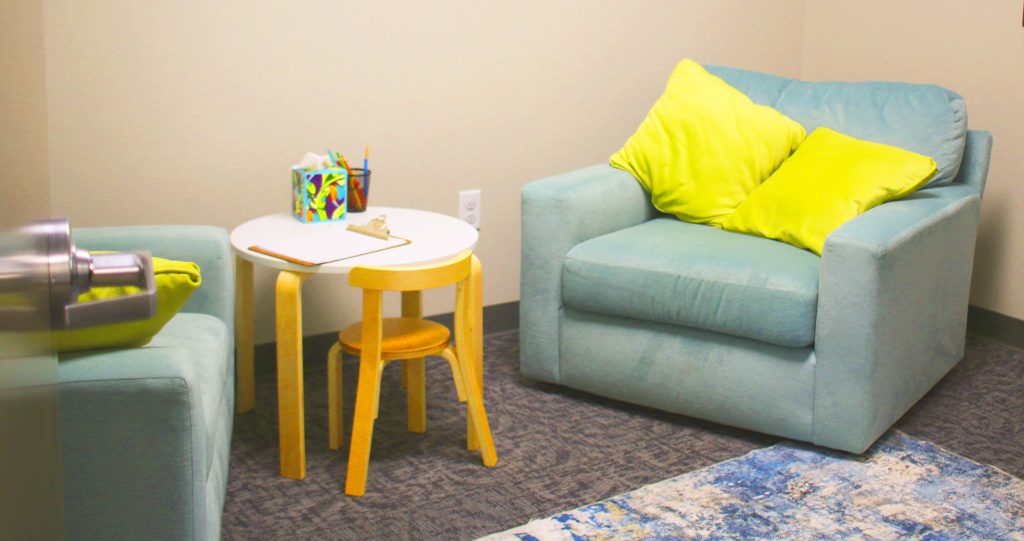
This initiative for comprehensive aid is what lead to one of their newest programs. The Children’s Advocacy Center. This is a place where children and vulnerable adults can go if they have experienced or witnessed some kind of trauma. WRCNM has two rooms set up for these services, comfortable and very child friendly. With a casually dressed interviewer.
In a separate room, law enforcement, child protective services and other supportive professionals are able to observe the interview in real time. The interview is also recorded. Prior to this model, a child/vulnerable adult may have hand to share their story with multiple people; this new approach lessens the trauma of being interviewed.
While a child is being interviewed, the family can meet with an advocate. Both the child and family are able to participate in on-going services provided by the agency. Again, WRCNM is providing clear paths forward for individuals and families facing incredibly hard circumstances.
What they want survivors to know
When we asked what they would like to say to someone afraid to come in for services they said,
“I think one of the most important things is believing people when they tell you something, whatever it is. And being very careful what your reaction is to that. Supporting them, letting them know that the WRCNM is here and that they can receive counseling, therapy, support, whatever it is that they need.”
“But I think believing survivors is the 1st step. It’s a very natural reaction to say, ‘Oh my gosh, I can’t believe that happened to you.’ But sometimes that initial reaction can really set the tone for the rest of the conversation. So being able to just say, ‘hey, I’m so glad you told me that’.”
They want to make sure that everyone knows that WRCNM has a 24/7 help and information line that is answered by a trained advocate. The number is (231) 347-0082 or (800) 275- 1995. This is an anonymous line; they do not know who is calling. You do not have to leave your name. You can call as many times as you need to. Family and support people can call and receive help strategizing how they can support their loved ones.
As previously discussed, there is a 24-hour call rotation, where someone can meet you at a location that is safe for the survivor and safe for the advocate. This might be the hospital or the police station. The Safe Home is also available 356 days a year, 24 hours a day. They are there, ready to assist.
Andrea shared that she wants people to know that it’s okay to talk about these issues. It is happening whether you see it or not and there is no judgment at WRCNM.
How can you help?
WRCNM’s five-county service area includes: Antrim, Charlevoix, Cheboygan, Emmet, and Otsego. They rely on the community for donations and support to keep their doors open. The Safe Home alone requires a significant amount of supplies to provide food, toiletries, and other essentials for residents and their support animals.
Donations help to purchase a wise variety of needs including gas cards for clients requiring transportation assistance. Often times the needs are very direct, very basic. For the WRCNM it is about removing the barriers. You can learn about all the ways to support WRCNM here.
Thank you, Women’s Resource Center of Northern Michigan, for making sure that survivors of domestic abuse and sexual assault have 24/7, 365 access to support and advocacy.
Help to keep those services going by rounding up for the Women’s Resources Center of Northern Michigan this August.
Until next time, keep cooperating and we’ll see you at the stores.


